Solar energy offers a modern, eco-friendly solution for powering our lives. Unlike traditional generators, solar generators capture sunlight, convert it into electricity, and store it for future use. This renewable energy source is becoming popular due to its sustainability and cost-effectiveness. As energy needs grow, understanding how solar powered generators work can help you make informed decisions about using renewable resources efficiently. They offer a reliable energy backup during outages and serve as a primary power source for remote and outdoor activities. In this guide, we break down how solar generators operate, focusing on the fundamental systems and components involved, so you can optimize their benefits in various situations.
Core Components That Make a Solar Generator Work
Solar Panels: How Sunlight Is Captured and Converted
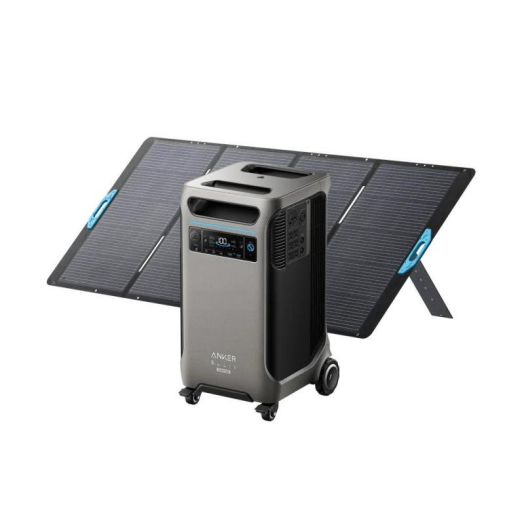
Solar panels form the heart of a solar generator, capturing sunlight and converting it into electricity. These panels are composed of photovoltaic cells that utilize the photovoltaic effect. When sunlight strikes these cells, they generate direct current (DC) electricity. The efficiency of this conversion depends on the panel’s quality and environmental factors like sunlight intensity and angle. Advanced models, like those paired with the Anker SOLIX F3800 Plus, can absorb up to 3,200W of solar input, fully charging within two hours under optimal conditions. This capability makes solar generators a powerful, renewable source of clean energy. Correct placement and positioning of panels are crucial to maximize energy absorption throughout the day.
Battery, Charge Controller, and Inverter: Storing and Using Power
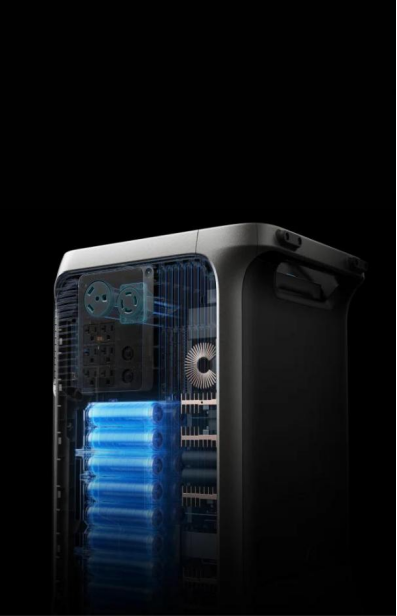
Once solar panels convert sunlight to DC electricity, it’s stored in a battery for later use. The charge controller regulates the electricity flow, preventing overcharging and extending battery life. It’s a critical component ensuring the system runs safely and efficiently. Inverters then convert the stored DC electricity to alternating current (AC) electricity, which is commonly used in homes. The Anker SOLIX F3800 Plus, for example, offers dual voltage output and significant storage capacity, scalable up to 53.8kWh. These features ensure that solar generators can power essential household devices, from refrigerators to central air conditioning units, with the efficiency and reliability expected from modern technology.
How a Solar Generator Works Step by Step in Real Life
Step 1–2: From Sunlight to Stored Energy Inside the Battery
The journey begins with solar panels absorbing sunlight. Each panel’s photovoltaic cells transform sunlight into direct current (DC) electricity. The intensity of the sun and panel orientation impact the amount of electricity generated. On reaching the solar charge controller, this electricity is managed and stored. The controller plays a crucial role, directing the flow into the batteries while preventing damage from overcharging. Batteries, such as those in the Anker SOLIX F3800 Plus, store this converted solar energy efficiently. They are designed for longevity and high capacity, ensuring consistent power availability. This stored energy becomes the backbone of a solar-powered system, ready to be accessed or converted according to demand.
Step 3–4: Converting Stored Power Into Usable Electricity
After storing energy in the battery, it needs conversion from DC to AC electricity. This transition is facilitated by the inverter, an essential part of any solar generator. Inverters take the stored DC power, making it compatible with home appliances and electronic devices. A system like the Anker SOLIX F3800 Plus provides powerful AC output, meeting the demands of everything from small gadgets to large home appliances. The process involves sophisticated circuitry, ensuring efficiency and minimal power loss during conversion. This stage is crucial for making renewable solar energy useful and accessible, integrating it seamlessly into daily life.
Step 5: Powering Devices Safely and Efficiently at Home or Outdoors
With AC electricity now available, powering devices becomes straightforward. Solar generators, particularly models like the Anker SOLIX F3800 Plus, offer versatility in powering various devices. Home essentials, like lights and refrigerators, are easily handled, ensuring continuous operation during blackouts. For outdoor enthusiasts, these generators power devices like phones or camping equipment, offering convenience and independence from grid power. Safety is paramount, and systems include safeguards against overloads and short circuits. Anker SOLIX F3800 Plus supports remote monitoring through its app, allowing users to manage consumption and efficiency in real-time. This adaptability underscores the practical benefits of solar generators.
Choosing and Using a Solar Generator the Smart Way
Matching Power Needs With Capacity and Output (Including Anker SOLIX F3800 Plus Solar Generators)
Selecting the right solar generator involves matching your energy needs with the model’s capacity and output capabilities. Factors to consider include the total wattage of devices you plan to power and the generator’s daily run time. Anker SOLIX F3800 Plus models, with up to 6,000W AC output, are ideal for larger loads or extended use, offering options like 240V bypass for quicker charging. Assessing these factors ensures you choose a generator that can reliably support your needs, whether for emergency backup or regular off-grid use. Additionally, scalability features allow you to expand storage capacity, tailoring the setup as energy requirements evolve.
Setup, Maintenance, and Daily Use Tips for Long-Term Performance
Effective setup and maintenance of your solar generator are crucial for long-term performance. Start by positioning solar panels for maximum sunlight exposure and ensure strong, stable connections to the generator. Regularly check and clean panels to maintain efficiency, especially in dusty or shaded areas. For models like the Anker SOLIX F3800 Plus, use the accompanying app to monitor system health and perform diagnostics. This enables preventive maintenance, minimizing downtime. For daily use, prioritize energy consumption, powering essential devices first. By managing charge cycles and preventing battery over-discharge, you extend the lifespan and operational reliability of your solar generator setup.
Conclusion
Understanding how solar generators work empowers users to harness renewable energy effectively. By familiarizing yourself with their core components and operation, and following smart usage guidelines, you optimize energy output and long-term reliability. As demonstrated with models like the Anker SOLIX F3800 Plus, solar generators transform the way we access power, providing clean, efficient, and versatile solutions for varied applications. Whether ensuring home energy security or supporting off-grid adventures, solar generators represent a future-forward choice in sustainable energy management. By choosing wisely and maintaining your system, you ensure a steady, eco-friendly power supply whenever and wherever needed.